

Writing has never been just an act of imagination. It has always been, in equal measure, an act of economic survival. Long before the first novel was printed or the first byline was published, the question haunting every writer was the same one that haunts them today: how do you sustain a creative life in a world that undervalues it? This article traces that question across centuries – from the patronage halls of Renaissance Europe to the digital platforms of 2026.
The romanticization of the starving artist is one of the most enduring and perhaps most damaging myths in the history of global literature. From the garrets of 19th-century Paris to the cramped coffee shops of 21st-century Brooklyn, the narrative remains remarkably consistent: that true creative genius must be forged in the fires of deprivation, and that financial stability is somehow antithetical to artistic integrity.
However, for those who actually wield the pen, the reality is far less poetic. Literature has always been inextricably linked to the mechanisms of credit, debt, and the desperate search for liquidity.
To understand the history of the novel is to understand the history of the author’s relationship with money—a relationship that has shifted from the aristocratic patronage of the past to the volatile and often precarious digital gig economy of 2026.
Patronage, Debt, and the Birth of the Professional Writer

In the classical era of European literature, the financial health of a writer was often dependent on the whims of a single wealthy patron. This system, while providing a degree of security for a chosen few, functioned as a gilded cage, often dictating the themes and tones of the work produced.
The transition to a market-based economy in the 18th and 19th centuries was heralded as a liberation for the author, a move toward professional autonomy. Yet, this new freedom brought with it the crushing weight of the debt-driven marketplace.
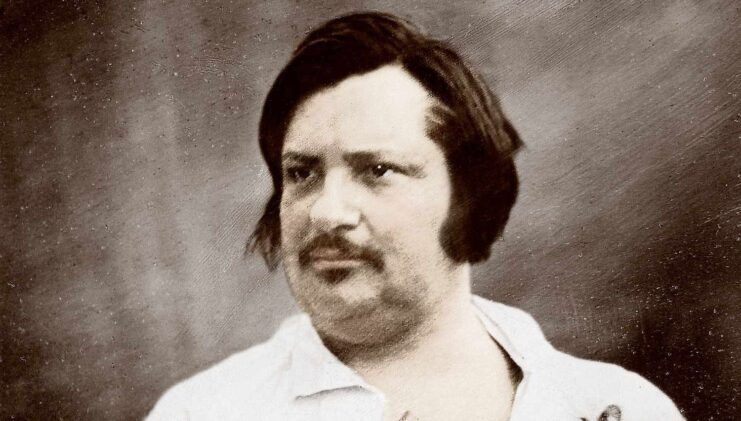
Honoré de Balzac, perhaps the patron saint of the financially distressed author, lived his entire life under the shadow of looming creditors, his prodigious output driven by the urgent need to outrun his debts.
For Balzac, the coffee-fueled nights spent writing “La Comédie Humaine” were not just an artistic endeavor; they were a frantic attempt to maintain liquidity in a society that offered no safety net for the creative class.
The Shadow Economy of Literature: From Balzac to Dickens
This legacy of debt as a literary catalyst is not confined to the French masters. Fyodor Dostoevsky’s “The Gambler” was written in a matter of weeks to fulfill a predatory contract with a publisher, a direct result of his own crippling gambling debts and financial mismanagement.
In the Anglo-American tradition, Charles Dickens utilized the serial publication format to manage his own cash flow, often writing against the clock to meet the demands of a public that was both his audience and his creditors.
These historical precedents highlight a fundamental truth: the literary class has always operated within a “shadow economy,” where the gap between the intellectual value of their work and its immediate cash value is bridged by whatever means necessary. This systemic vulnerability remains unchanged, even as the tools of finance have moved from parchment and ledger books to digital wallets and high-frequency credit lines.
The Fragmented Landscape of Modern Literary Income

As we navigate the complexities of 2026, the modern writer faces a landscape that is both more accessible and more precarious than ever before. The digitization of the book market has lowered the barriers to entry, but it has also fragmented the revenue streams that authors once relied upon.
The “advances” that once provided a modest bridge between the conception of a book and its publication have largely vanished for all but the top tier of international bestsellers. For the vast majority of literary professionals—freelancers, critics, and mid-list novelists—the primary financial challenge is the management of irregular income.
This has led to a renewed interest in “micro-liquidity,” where authors seek to monetize their intellectual property and their credit limits in real-time to cover the basic costs of their existence. The ability to pivot between different forms of digital value is no longer a fringe skill; it is a necessity for anyone wishing to maintain a sustained creative career.
The Psychological Toll of Financial Precarity
The psychological impact of this financial instability cannot be overstated. When an author is forced to spend more energy managing their immediate liquidity than their narrative structure, the quality of our collective cultural output suffers. This has given rise to new support networks and digital platforms that aim to provide the creative class with the financial agency they have historically lacked.
Modern writers are becoming adept at navigating the gray areas of the digital financial world, utilizing everything from crowdfunding and subscription models to more technical maneuvers within the credit marketplace. Understanding the risks and rewards of these emerging financial paths is essential for any creator looking to survive in a post-inflationary world.
For those seeking comprehensive resources on how to navigate the modern credit landscape and maintain financial health during lean periods, insights are available at https://creditcardggang.isweb.co.kr
The Digital Nomad Author and the Challenge of Cross-Border Finance

Furthermore, the rise of the “digital nomad” author has created a new set of logistical challenges regarding cross-border payments and currency fluctuations. A writer living in a low-cost region while publishing in the US or Europe must deal with the friction of international banking systems that were not designed for the speed of the 21st century.
This has accelerated the adoption of decentralized financial tools and alternative liquidity channels that bypass the delays of traditional wire transfers. The modern literary world is, in many ways, a testing ground for the future of decentralized labor. If a writer can successfully manage their global intellectual property while maintaining local liquidity through a diverse portfolio of digital assets, they are creating a blueprint for the future of all creative professionals.
From Survival to Stewardship: A Structural Rethinking of Authorial Debt
The sociological shift in how we perceive authorial debt is also noteworthy. In the past, financial distress was seen as a personal failing or a tragic necessity of the craft. Today, there is a growing recognition that financial precarity is a structural feature of the creative industries.
This awareness has fostered a more transparent conversation about the “invisible labor” of financial management. Authors are now sharing strategies on how to leverage their credit limits, manage their tax liabilities, and ensure that they are not exploited by predatory publishing contracts. This collective knowledge-sharing is a form of resistance against a system that has historically profited from the author’s lack of financial literacy. The goal is to move from a state of reactive survival to one of proactive financial stewardship.
The Future of Literary Finance: Smart Contracts, Residencies, and Community Models

Looking toward the remainder of 2026, the intersection of literature and finance will continue to be a fertile ground for innovation. We are seeing the emergence of “smart contracts” for royalties that provide instant payouts, as well as the growth of community-funded residency programs that prioritize the economic stability of the artist.
The resilience of the book world depends on its ability to protect its most vulnerable participants from the volatility of the global market. By acknowledging the economic realities of the pen and embracing the tools of modern liquidity, we can ensure that the next generation of great literature is not lost to the mundane struggles of the marketplace.
The true value of a book is not found in its price tag, but in the time and intellectual labor of its creator—a labor that deserves to be sustained by a stable and transparent financial foundation.
Writing as an Act of Faith – and Financial Freedom
Ultimately, the act of writing remains a profound act of faith—faith that one’s voice will be heard and that the intellectual effort will, in some way, be recognized and rewarded. But faith alone cannot pay the rent or purchase the tools of the trade.
As the literary community continues to evolve, the integration of sophisticated financial tools into the writer’s workflow will become as standard as the use of word processors or digital research archives.
The ability to command one’s financial destiny is the ultimate form of artistic freedom. Only when an author is free from the crushing weight of immediate financial distress can they truly explore the depths of the human experience without compromise. The journey toward this autonomy is an ongoing process, one that requires both the courage of the creator and the support of a more equitable and efficient financial ecosystem.
The resilience of our culture is built on the shoulders of those who dare to tell the truth, even when the truth is expensive. By fostering a world where writers have the tools to manage their own liquidity and credit, we are investing in the long-term health of our intellectual heritage. The story of literature has always been a story of survival, but in 2026, we have the opportunity to change that narrative to one of thriving.
The pen may be mightier than the sword, but in the modern age, it must be supported by a digital wallet that is just as sharp. As we turn the page toward a new era of creative finance, the possibilities for literary freedom are more expansive than ever before, provided we have the wisdom to navigate the financial systems that make our work possible.