
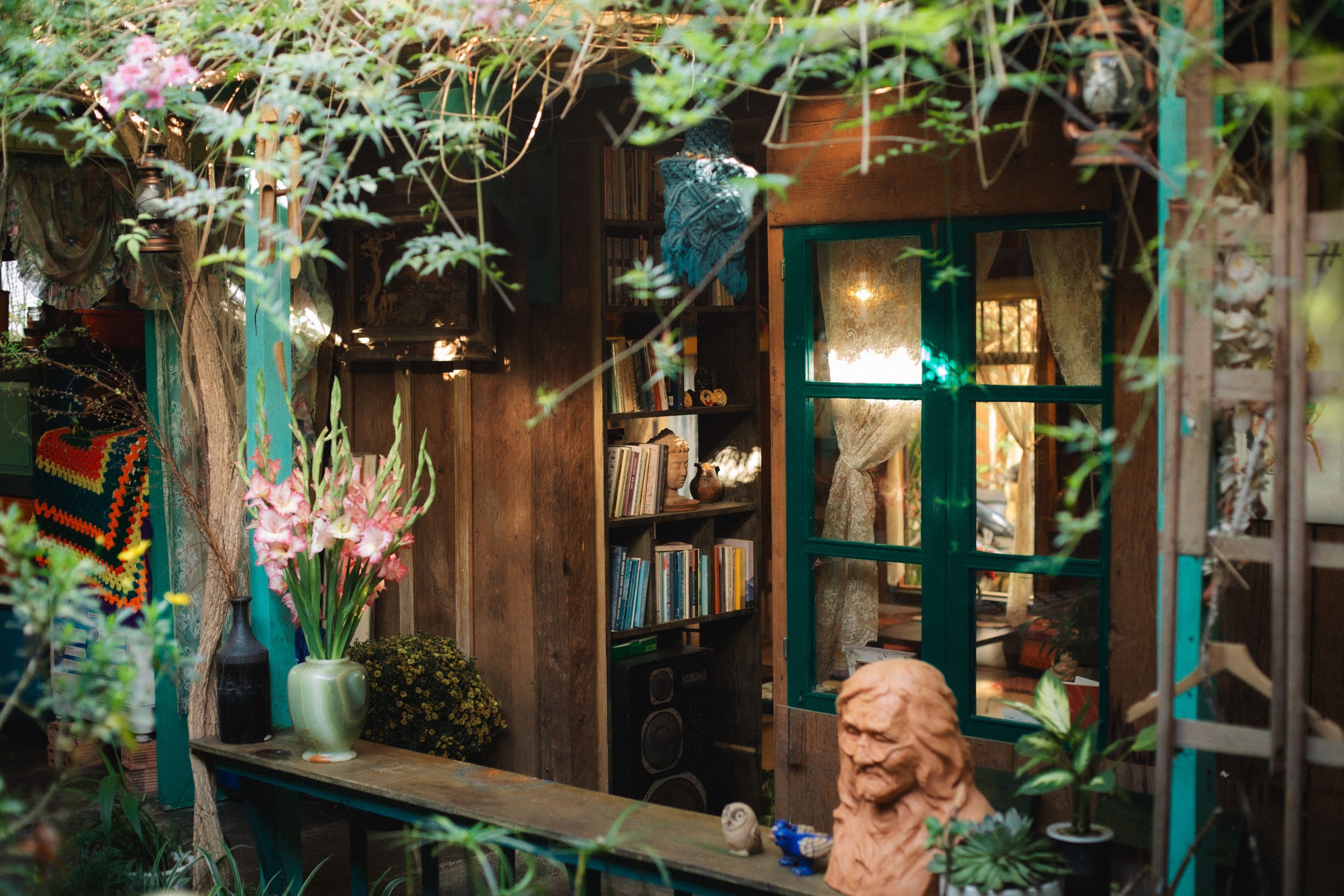
There is something about reading outside that changes the book. The breeze, the birdsong, and the feeling of being slightly out of the house all make an ordinary afternoon feel like a small holiday. A good outdoor reading space does not need a large garden or a big budget. It needs thoughtful placement, comfortable seating, enough shade to keep the glare off the page, and a little light for when the sun goes down.
Table of Contents
- Pick the right spot
- Choose seating you will actually use
- Plan shade and sun protection
- Build a stable base
- Consider a hammock or packable option
- Add lighting and comfort
- Compare seating options at a glance
- Finishing touches that make it a habit
Pick the Right Spot
Start by observing how sunlight moves through your yard across a typical day. Reading requires a balance: you want to be warm, but direct sun bouncing off a white page is tiring. Landscape designers often suggest a corner that gets gentle light rather than harsh midday glare. Before you buy anything, check these points:
- Sun direction: Note where the light falls at mid-morning, early afternoon, and late afternoon.
- Privacy: A corner with a wall, fence, or planting on two sides feels more enclosed and less exposed to passersby.
- Distance from the house: Close enough to reach a refill of tea, but far enough from kitchen noise and foot traffic.
- Ground level: A flat, stable surface prevents wobbly chairs and tables.

Choose Seating You Will Actually Use
Comfort matters more than style here. A chair that looks lovely in a catalogue but makes your back ache will end up unused. Think about how you read: upright at a table, reclined with your feet up, or curled sideways on a daybed. Each position calls for different furniture.
Look for these qualities when comparing options:
- A seat depth that lets you sit back with your feet flat or resting comfortably.
- Armrests or a surface wide enough to hold a mug and a book at the same time.
- Weather-resistant frames such as aluminum, teak, or quality all-weather wicker.
- Cushions with removable, water-repellent covers that dry quickly.
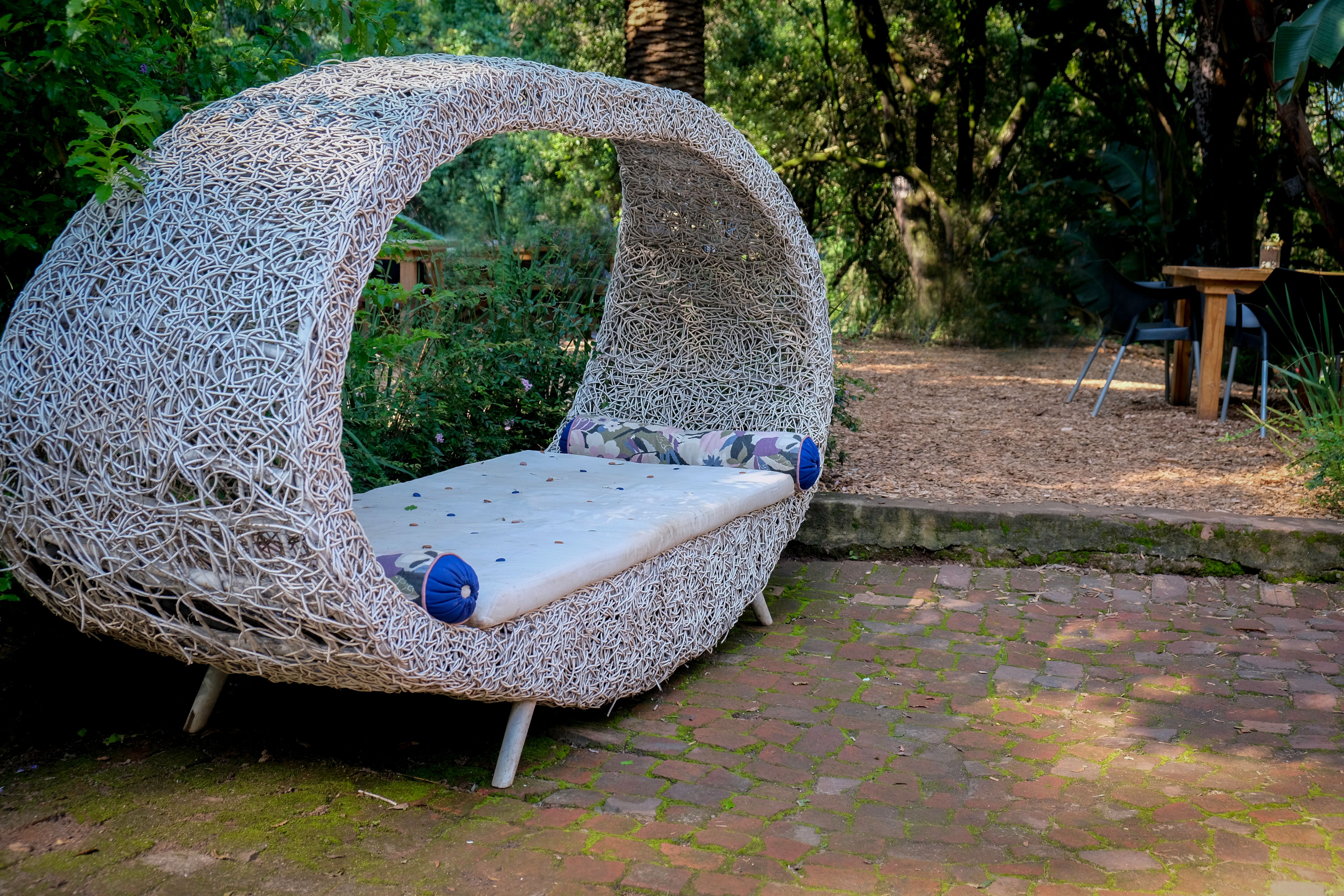
Rattan daybeds and deep lounge chairs work especially well because they support long reading sessions. A pile of outdoor pillows can add lumbar support to a seat that is otherwise too firm.
Plan Shade and Sun Protection
Shade is the element most people underestimate. Without it, even a pleasant spot becomes unusable during the hours when light is strongest. The U.S. Centers for Disease Control and Prevention notes that UV rays are typically strongest from 10 a.m. to 4 p.m. daylight saving time, and that shade is one of the simplest ways to reduce exposure. For a reading nook, consider:
- A patio umbrella with a tilt feature, so you can adjust it as the sun moves.
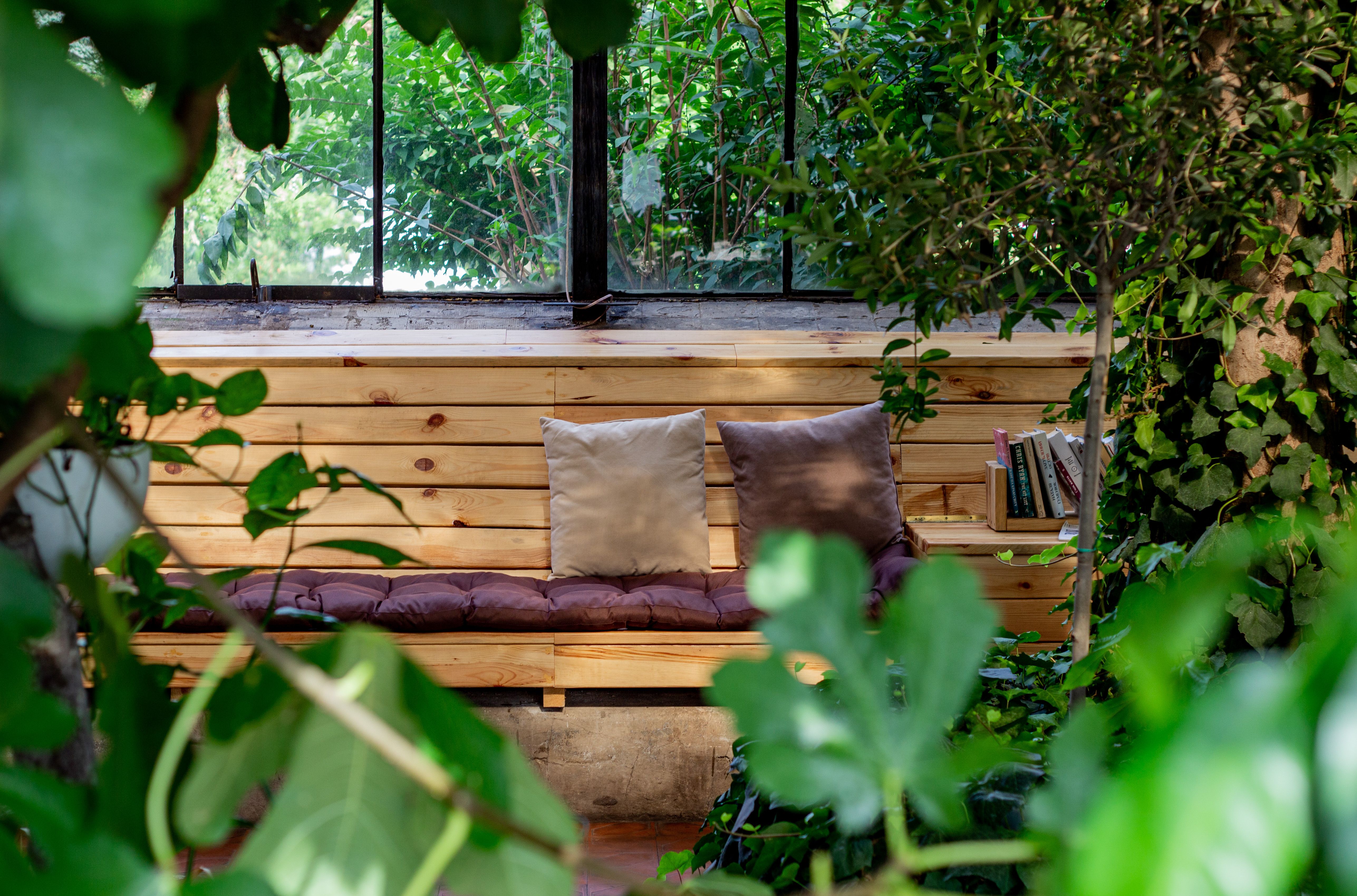
- A pergola or vine-covered trellis for dappled light rather than full shade.
- A canopy or sail shade for small patios.
- A covered porch corner if rain is common where you live.
Shade also reduces glare on the page or e-reader screen, which makes reading noticeably easier on the eyes. Sunglasses and a brimmed hat still help on brighter days, even when you are sitting in shade.
Build a Stable Base
The floor of your reading area sets the tone for the whole space. Grass gets muddy, and bare soil collects leaves and dust. A small paved patch, a deck, or a rug on a level surface gives the nook structure. If you are building a platform or deck, composite decking is worth considering because it is designed to resist moisture, staining, and fading better than many untreated timber boards, which means less maintenance over the seasons.
Whatever surface you choose, check these details:
- Use a weather-resistant outdoor rug that is easy to hose down.
- Leave enough space to stand up, stretch, and walk around the seat.
- Make sure the surface drains water away from the seating area.
Consider a Hammock or Packable Option
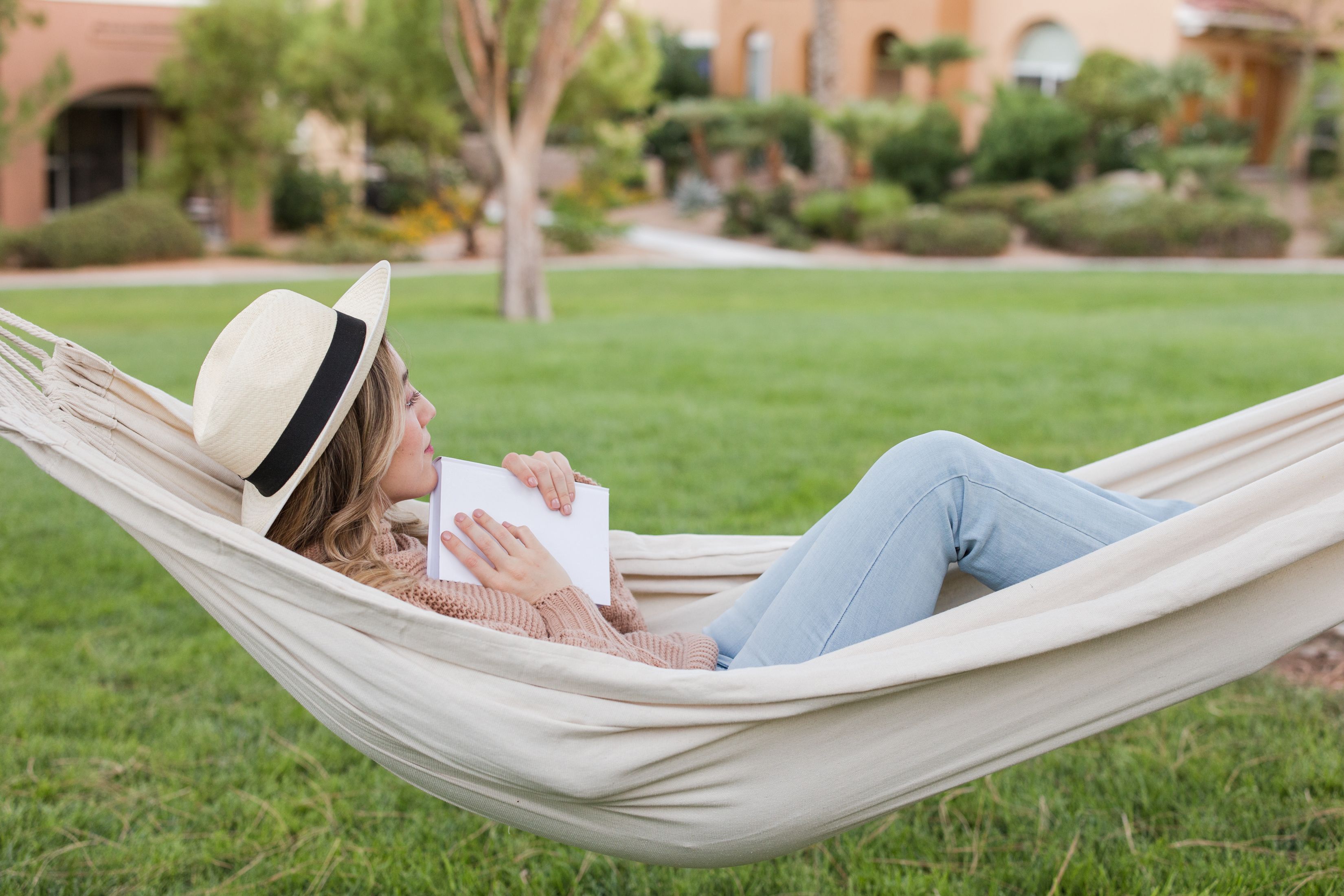
If you do not have room for a permanent nook, a hammock offers a surprisingly good reading position. It cradles the body, keeps the book at a comfortable angle, and can be taken down at the end of the day. Hammocks work best when they are hung between two sturdy supports, such as trees or posts designed for the load, and when there is a shaded spot nearby for the sun to avoid.
Portable alternatives include:
- A folding chaise that can be moved into shade as the day progresses.
- A lightweight bench with a removable cushion.
- A small side table you can tuck away after each session.
Add Lighting and Comfort
A reading nook should work after dusk too. Warm light is easier on the eyes and creates a more relaxed mood than bright white bulbs. Lighting specialists commonly recommend warm color temperatures in the 2,700K to 3,000K range for cozy spaces. Useful options include:
- Festoon or string lights hung overhead for a soft, even glow.
- A weatherproof floor or table lamp placed so the light falls on the page, not into your eyes.
- Solar pathway lights to guide people to the nook without adding wiring.
- Throws and blankets for cooler evenings.
Test your lighting with the book open in your usual reading position. If your hand or the chair blocks the light, move the lamp before you buy a brighter bulb.
Compare Seating Options at a Glance
The table below summarizes common outdoor seating choices for reading nooks and the situations where each one tends to work best.
Finishing Touches That Make It a Habit
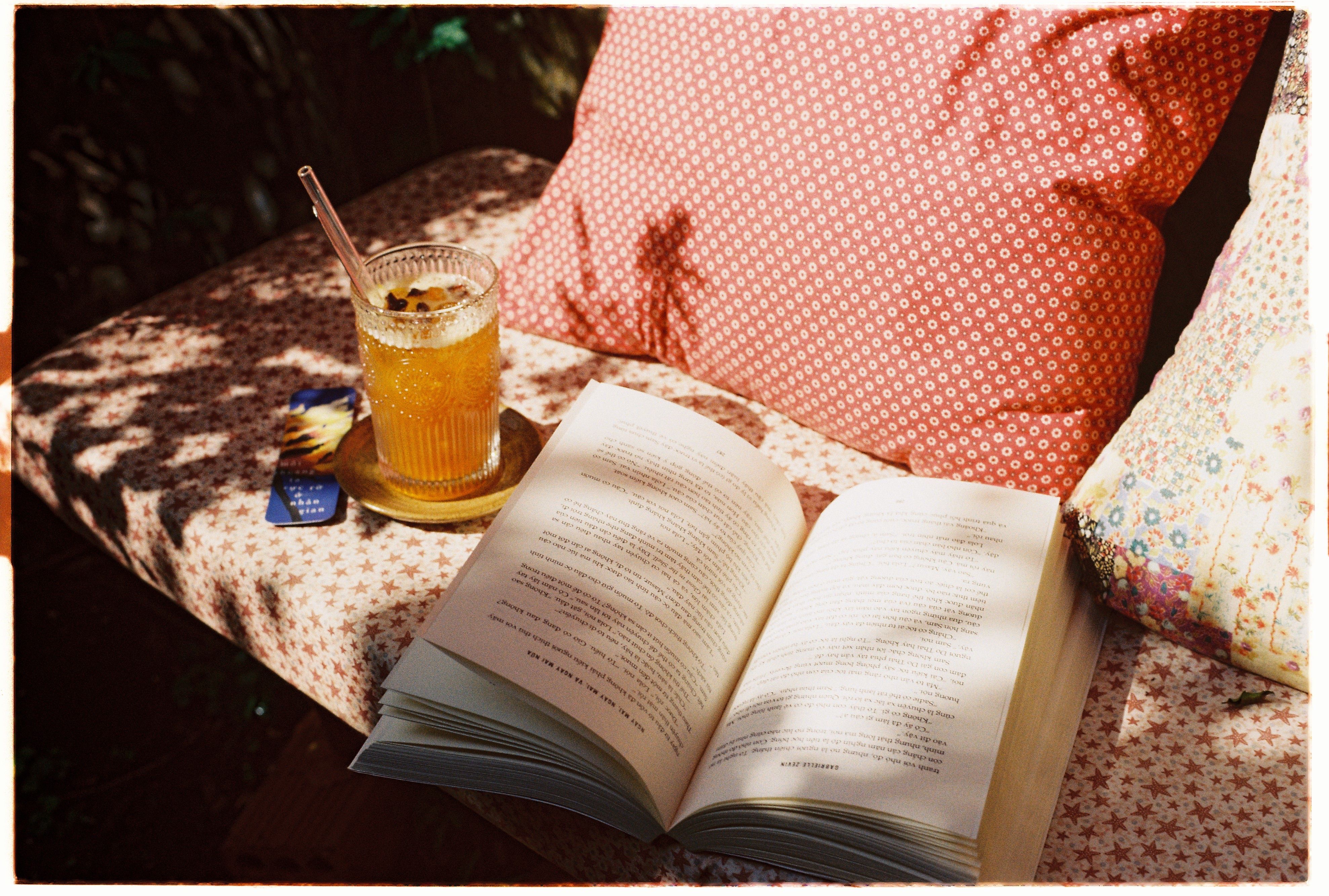
Once the basics are in place, small details decide whether you keep coming back. A side table keeps drinks off the floor. A small planter or two brings color and a sense of enclosure. A basket for books and a bookmark on the arm of the chair turn the space from a piece of furniture into a routine. Keep a sturdy cup or bottle nearby as well, and consider a shaded spot for it so it stays cool.
It also helps to test the nook at different times of day. What feels perfect at 3 p.m. may be too bright at 5 p.m., and a corner that is ideal in spring may be damp in autumn. Moving one chair or adjusting an umbrella is usually enough to fix the problem.
Start Small and Let the Nook Grow
You do not need to get everything right on the first attempt. Begin with one comfortable seat, a source of shade, and a place to set your cup. Use the space for a few weeks, notice where the light lands and where you find yourself drifting back to, and add only what the habit calls for. Some of the best outdoor reading spots are the ones that were improved slowly, one cushion and one good afternoon at a time.