
Books can act like quiet mentors. They do not rush you, and they meet you exactly where you are. Research-backed titles on burnout often explain that stress is not just mental but biological, meaning recovery requires both understanding and action.
The best motivational books are not just motivational. They are practical, reflective, and often deeply comforting when you feel like you are starting over.
Burnout is not simply overwork. It often involves emotional depletion, loss of meaning, and chronic stress that needs to be processed, not ignored.
This list is not about hype or trendy titles. These are books that people consistently return to when life feels uncertain, overwhelming, or in need of a reset.
Books that help you understand burnout
Before fixing anything, you need to understand what is happening.Core reads for clarity and validation:
- Burnout: The Secret to Unlocking the Stress Cycle – Emily & Amelia Nagoski
Explains how stress physically builds up and how to release it. - Can’t Even – Anne Helen Petersen
Explores cultural and systemic causes of burnout. - The Burnout Epidemic – Jennifer Moss
Connects workplace culture to chronic stress.
These books stand out because they remove guilt. Burnout is not a personal failure. It is often a systemic issue reinforced by modern work and lifestyle patterns.
Once you understand that, everything shifts. You stop blaming yourself and start looking for sustainable solutions.

Books that help you slow down and reset your pace
Sometimes the problem is not what you are doing, but how fast you are doing it.
| Book | Key Idea | Why It Helps |
| Rest – Alex Soojung-Kim Pang | Rest improves productivity | Reframes rest as essential |
| Slow Productivity – Cal Newport | Do fewer things better | Reduces overwhelm |
| The Art of Rest – Claudia Hammond | Rest is varied and personal | Expands your idea of recovery |
Many high performers assume rest is a reward. These books argue the opposite. Rest is part of the process, not the opposite of it.
When you internalize that, you stop pushing through exhaustion and start rebuilding energy in a smarter way.
Books that help when you feel lost or directionless
Feeling stuck often comes with a quiet question: what now? Finding clarity when everything feels uncertain. We suggest these:
A High-Performing Mind – Andrew D. Thompson
This is one of the best motivational books when you feel mentally stuck. Instead of abstract motivation, it offers a structured system built around resilience, focus, and clarity. The book introduces practical mental tools and “attributes” that help you respond better to setbacks and uncertainty, rather than avoid them.
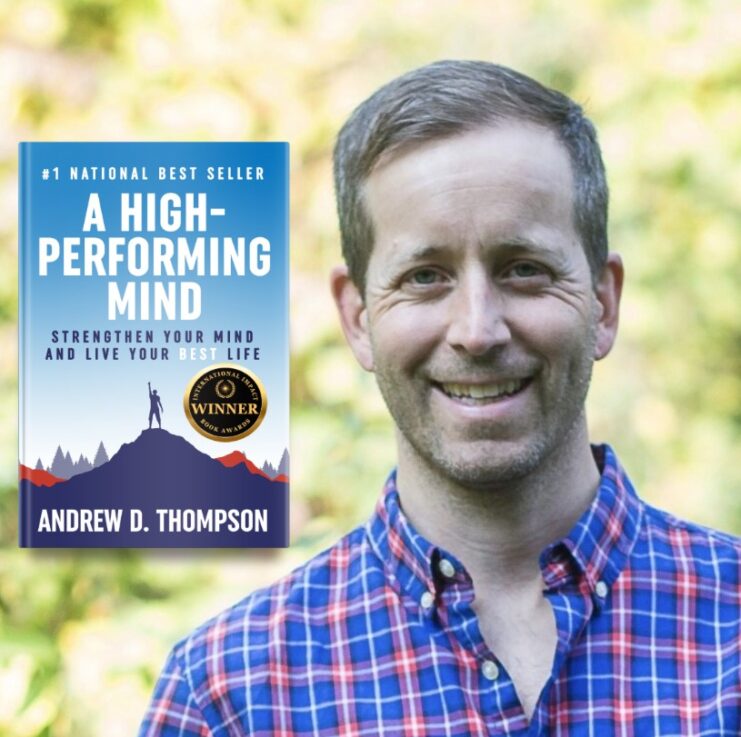
One of its core ideas is that how you handle difficult moments shapes everything that follows. That perspective alone can shift you out of feeling lost and into rebuilding control, step by step.
Four Thousand Weeks – Oliver Burkeman
This book starts with a simple but uncomfortable truth: life is short, roughly four thousand weeks. Instead of turning that into pressure, it reframes it as freedom. You cannot do everything, and that is the point. Trying to optimize every moment often leads to more anxiety and less meaning. The real shift happens when you accept limits and start choosing what truly deserves your time. That alone can cut through a lot of confusion.
The Desire Map – Danielle LaPorte
Most goal-setting advice focuses on outcomes. This book flips that idea. It asks a different question: how do you actually want to feel? When you start there, your decisions begin to align more naturally. Instead of chasing abstract success, you start building a life that feels right day to day. That emotional clarity often replaces the pressure to constantly figure everything out.
An Ordinary Age – Rainesford Stauffer
This one speaks directly to the modern experience of feeling behind or not enough. It challenges the idea that success has to follow a fixed timeline. In a culture that constantly pushes achievement, this book offers something quieter: permission to define your own pace. That alone can reduce the noise and help you focus on what genuinely matters to you.

These books do not give rigid plans, and that is exactly why they work. When you are starting over, strict systems can feel overwhelming or even irrelevant. What you need instead is perspective. Clarity rarely comes from doing more. It comes from asking better, more honest questions about your time, your values, and your direction.
Books that gently rebuild your emotional strength
When burnout runs deep, productivity advice is not enough. You need emotional recovery.
Healing before pushing forward
- Wintering – Katherine May
Embraces life’s slower, harder seasons. - The Happiness Trap – Russ Harris
Teaches acceptance instead of constant positivity. - The Gifts of Imperfection – Brené Brown
Encourages self-worth without external validation.
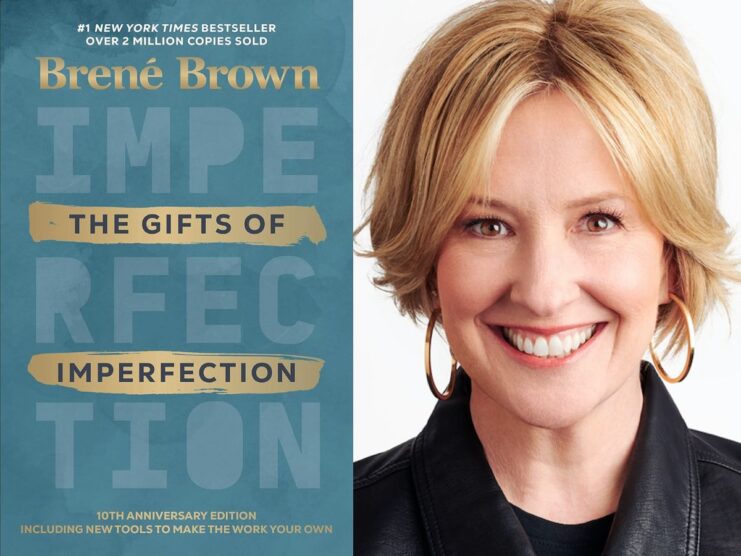
These books work because they remove pressure. You do not need to fix everything immediately. You are allowed to pause, reflect, and rebuild at your own pace.
Did you know?
Many psychologists recommend acceptance-based approaches because constantly chasing happiness can actually increase stress and dissatisfaction.
Books that help you rebuild habits and momentum
Eventually, you will want to move forward again. That is where structure helps. Practical tools for starting again:
- Atomic Habits – James Clear
Focuses on small, consistent changes. - The Perfectionist’s Guide to Losing Control – Katherine Morgan Schafler
Turns perfectionism into a strength. - Burnout to Breakthrough – Eileen McDargh
Offers exercises for rebuilding resilience.
These books are action-oriented, but not overwhelming. They emphasize small wins, which is critical when your energy is still recovering. Even tiny progress can restore confidence and momentum over time.
A simple way to choose the right book for you
Not every book fits every moment. Choosing the right one depends on where you are emotionally. If you feel:
- exhausted and confused → start with understanding burnout
- overwhelmed and rushed → focus on slowing down
- lost and unsure → explore direction and meaning
- emotionally drained → prioritize healing
- ready to move again → build habits and structure
Think of these books as tools, not tasks. You do not need to read them all. You just need the one that meets you where you are.
Closing thoughts
There is something powerful about finding the right book at the right time. It can feel like someone finally put your experience into words. That alone can be enough to help you breathe a little easier.
If you are stuck, burned out, or starting over, do not rush the process. Take it one chapter at a time. Let ideas settle. Let yourself change slowly.
You are not behind. You are in a transition. And sometimes, the smallest shift in perspective is the beginning of everything else.